Blogs

metal erp Blogs Blog detail

A Step-by-Step Guide to Implementing ERP Software in Steel Industries

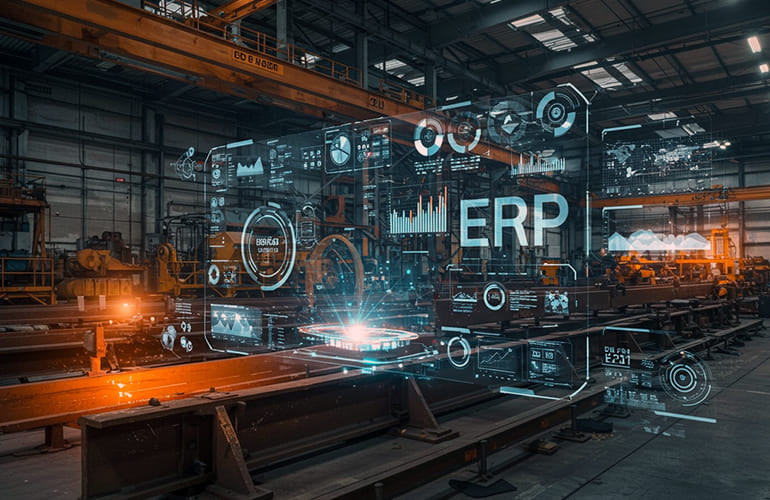
Implementing ERP (Enterprise Resource Planning) software is a transformative journey for steel manufacturers aiming to enhance efficiency, streamline operations, and drive profitability. This step-by-step guide offers you a detailed roadmap to successfully implement ERP software tailored for the steel industry, ensuring that your organization can leverage the full potential of this powerful technology.

Contact us
Understanding the Supply Chain Management Features

Understanding ERP Software in Steel Manufacturing

ERP software integrates core business processes into a single system, providing real-time data and insights essential for decision-making in the fast-paced steel industry. This includes functionalities for inventory management, production planning, quality control, procurement, and compliance tracking. By implementing ERP, steel manufacturers can reduce costs, improve efficiency, and enhance collaboration across departments.


1

Analyze Your Business Needs

Before choosing an ERP system, it’s crucial to analyze your specific business requirements:
Conduct a Needs Assessment: Identify pain points in your current processes, such as inventory management or production delays.
Engage Stakeholders: Involve teams from production, sales, finance, and quality control to gather insights into their specific needs.
Set Clear Objectives: Define the goals you wish to achieve with the ERP implementation, such as reducing lead times, maximizing throughput, or improving customer satisfaction.
2

Research and Select the Right ERP Solution

for raw materials (steel coils, alloys) and finished tubes/pipes.
Consider Industry-Specific Features: Look for solutions designed for the steel industry, such as modules for supply chain management, order processing, and compliance tracking.
Evaluate Scalability: Ensure the ERP system can grow with your business, supporting future expansions and increased production capacity.
Check User Reviews and Ratings: Research user experiences to understand the pros and cons of different ERP solutions tailored for steel manufacturing.
3

Develop an Implementation Plan

Creating a well-structured implementation plan is key to a successful rollout:
Set a Timeline: Establish a realistic timeline with milestones for each phase of the implementation.
Allocate Resources: Designate a project team and budget for the implementation process, ensuring all necessary resources are available.
Identify Risks: Assess potential risks and develop contingency plans to mitigate challenges that may arise during the implementation.
4

Data Migration Strategy

Data migration is a critical step that requires careful planning:
Data Inventory: Conduct a comprehensive inventory of existing data, identifying what needs to be migrated to the new ERP system.
Cleanse Your Data: Remove duplicates and outdated information to ensure accuracy during the migration process.
Testing Migration: Run pilot migrations to ensure data integrity and address any issues before the final migration takes place.
5

Customize and Integrate the ERP System

Customization ensures the ERP system meets the unique needs of your steel manufacturing processes:
Module Configuration: Work with your ERP vendor to tailor modules to your operational workflows, such as production scheduling and quality management.
Integration with Existing Systems: Make sure the ERP system integrates seamlessly with other tools and software currently in use, such as CRM and SCM systems. .
6

Train Your Team

Effective training is essential for maximizing the benefits of your new ERP system:
Develop a Training Plan: Design a comprehensive training program for all users, focusing on the functionalities they will utilize daily.
Utilize Multiple Training Methods: Incorporate hands-on training, webinars, and user manuals to accommodate different learning styles.
Gather Feedback: Encourage feedback from employees during and after training to address any lingering questions or concerns.
7

Go Live and Post-Implementation Support

The final step is to launch your ERP system and ensure ongoing support:
Go Live: Execute the transition to the new ERP system, ensuring that all teams are ready and equipped to operate using the new functionalities.
Monitor Performance: Track key performance indicators to assess the impact of the ERP system on your manufacturing processes.
Provide Continuous Support: Ensure ongoing technical support and training resources are available to address any issues that arise post-implementation.

Summary

Implementing ERP software in the steel industry can significantly enhance operational efficiency, streamline processes, and improve overall productivity. By following this step-by-step guide, steel manufacturers can ensure a successful implementation that aligns with their unique needs and business objectives. As technology continues to evolve, leveraging the right ERP solution will position your company for sustained success in a competitive landscape.
This blog post serves not only to provide value to your audience but also to improve your SEO through targeted keywords and structured content, making it easier for potential clients in the steel industry to find your website.
SCHEDULE A DEMO
SCHEDULE A DEMO